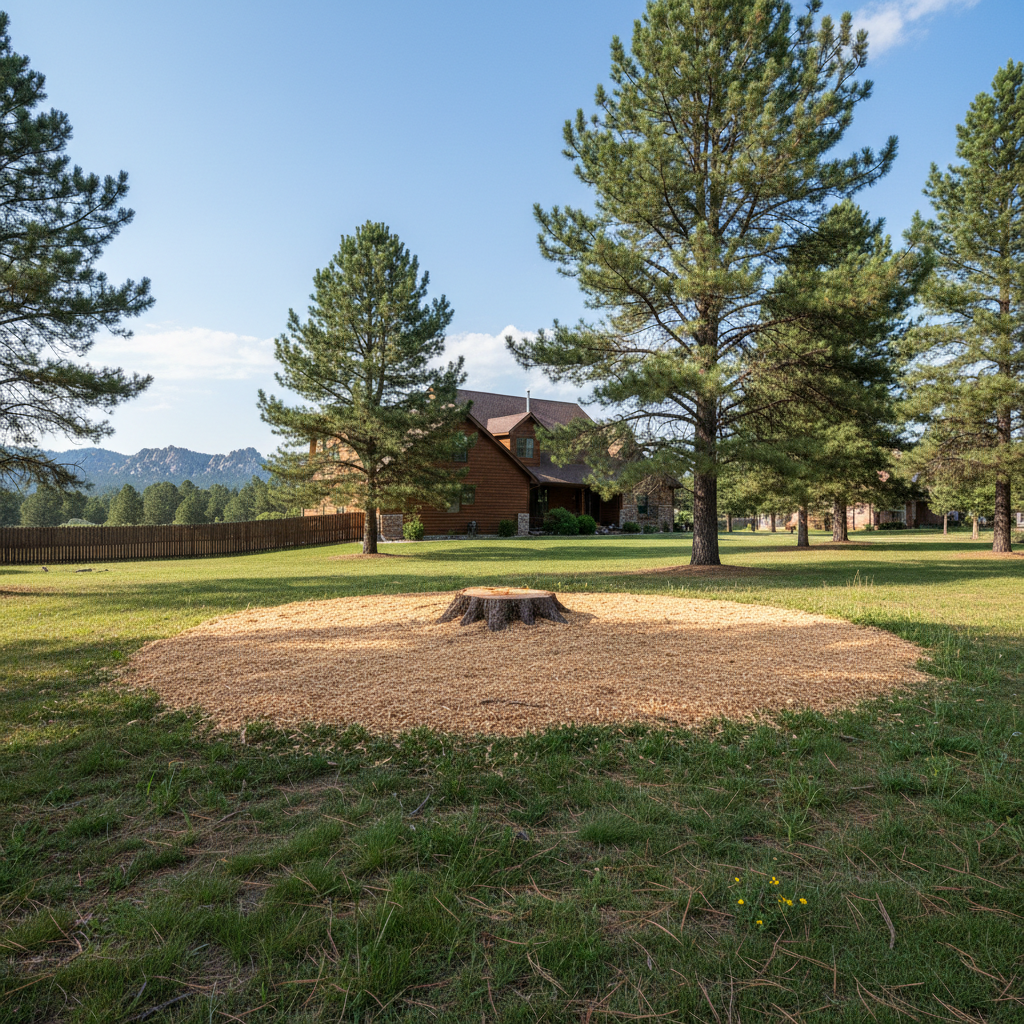
You just had a tree taken down. That is good because you were proactive about your property's safety as well as its appearance. But here is the thing: tree removal is not just about cutting down a tree and then calling it a day. What happens after the tree removal, especially here in Custer with our unique climate as well as our specific soil, makes a big difference for your property.
Our team at Midway Tree has seen it many times. Folks think once the tree is gone, their work is over. That is where problems can start. You have invested in getting that tree removed. Let us talk about how to protect that investment as well as keep your property looking good and staying safe in Custer.
Extending the Life of the Work: What to Do After Removal
When Midway Tree finishes a tree removal project, we make sure the site is clean and tidy. But what you do next is important for preventing future headaches. The biggest thing you need to think about is what is left behind. This includes the stump as well as the roots. Even after the tree is cut down, the roots do not just instantly die. They can store energy for years. Some species, like certain oaks or aspens common in the Black Hills, are particularly good at sending up new shoots from those root systems.
- Stump Grinding is Your Best Bet: If you did not choose stump grinding right away, we highly recommend it. Grinding the stump down below ground level helps eliminate the main source of potential regrowth. This process also breaks up the root ball. Without stump grinding, those roots can continue to push outward underground. Sometimes this happens for a surprisingly wide radius around your Custer property.
- Fill the Void: After stump grinding, you will have a hole. Do not leave it open. This exposed soil is vulnerable to our Custer winds as well as heavy rains. This can lead to erosion. Our team recommends filling it immediately with a mix of the wood chips from the grinding, topsoil, and some good quality compost. Pack it down firmly. You might need to add more as it settles over time.
- Consider Herbicide for Stubborn Species: For those really persistent trees that love to sprout, a targeted herbicide application can be effective. This application goes directly into the fresh-cut stump or into drilled holes. This helps kill the remaining root system. Just make sure you are using the right product and applying it safely on your Custer property.
- Replant Smart: If you are planning to plant something new in the same spot, choose species that will not compete with any lingering root fragments. Also, choose species that are well-suited to our local climate as well as our soil conditions. The soil can be rocky and compact here near French Creek.
Regular Maintenance: Keeping an Eye on Things
Even with the best initial work, a little ongoing attention goes a long way for your property in Custer.
- Monitor for Regrowth: Keep a close watch for any new shoots or suckers popping up from the ground around where the tree was. These are signs the root system is still active. Cut them back immediately as close to the ground as possible. Do not let them get established.
- Check for Erosion: Especially on sloped areas of your property, keep an eye out for signs of soil erosion around the former tree site. Heavy rain or melting snow can wash away loose soil if it is not well-established. If you see rills or gullies forming, you might need to add more soil, mulch, or even consider some ground cover plants to stabilize the area in Custer.
- Watering (if replanting): If you have planted new grass or shrubs, make sure they get consistent watering. This is especially important during our dry periods in Custer. This helps them establish strong roots as well as stabilize the soil.
Warning Signs of Problems
Sometimes, even with your best efforts, issues can arise. Here is what to look for on your property in Custer:
- Persistent Sprouts: If you are constantly battling new growth from the stump or roots, and it seems like it is getting worse, the initial treatment might not have been enough.
- Sunken or Uneven Ground: Significant settling or sinking in the area where the stump was removed could indicate that larger root structures are decaying underground. This can create voids.
- Fungal Growth: Mushrooms or other fungi appearing on or around the former stump site can be a sign of decaying wood as well as root material. While this is part of the natural decomposition process, excessive growth might indicate a more extensive issue.
- Erosion Issues: If you are seeing significant soil loss, especially after heavy precipitation, the ground is not stabilizing as it should.
When to Call a Professional
Look, we are all for DIY when it makes sense. But some things are best left to the pros. Do not hesitate to call Midway Tree if you have any questions or concerns about your Custer property.
- You are overwhelmed by regrowth: If you are constantly cutting back sprouts and they just keep coming, you might need a more aggressive treatment or a professional re-grind.
- You suspect extensive root decay: If the ground is sinking significantly, or you are seeing a lot of fungal growth, there could be larger issues with the remaining root system that need addressing.
- Erosion is a major problem: If you are dealing with serious soil loss, especially on a slope, we can assess the situation. Our team can also recommend proper erosion control measures. Custer's terrain, with its Ponderosa pine forests as well as rocky areas, can make erosion a real concern.
- You are unsure about replanting: If you want to plant a new tree or significant landscaping in the area, we can advise on soil preparation as well as species selection. This helps to make sure you have success and avoid future problems.
- Any concerns about structural integrity: While not directly related to post-removal, if you have other trees on your property showing signs of disease, leaning, or cracks, get a professional assessment. Our Black Hills weather, with its heavy snowfalls as well as strong winds, can really test a tree's stability.
Taking care of your property after a tree removal ensures that the space remains safe, healthy, and exactly how you want it. A little maintenance now can save you a lot of trouble down the road for your Custer home.