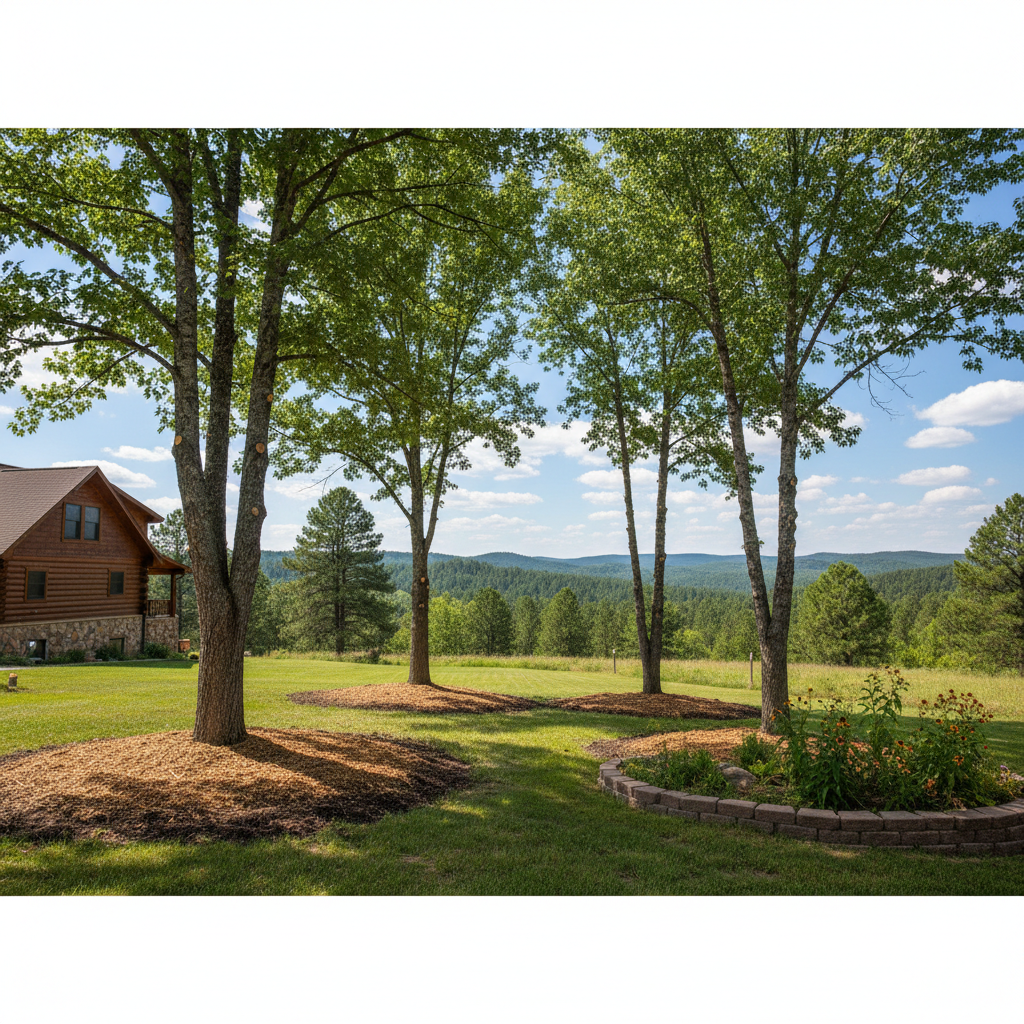
Your trees are an investment, plain and simple. They add value, shade, and beauty to your property, especially here in the Black Hills. But they don't just take care of themselves, not if you want them to really thrive and stand strong against our Custer weather. I've seen too many folks neglect their trees until it's a major problem, and then it costs a lot more to fix. Let's talk about how to keep that from happening.
Extending the Life of Your Tree Work
Whether I've just pruned a mature ponderosa for you or helped plant a new sapling, you want that work to last. The biggest thing you can do? Follow through with the basics. For new plantings, that means consistent watering, especially during dry spells. Our Custer soil, often rocky and well-drained, can dry out quickly, so don't assume a quick rain shower is enough for a young tree. I tell people to stick a finger in the soil; if it's dry an inch or two down, it needs water. For pruning, extending the life of the work means keeping an eye on the cuts. If you see new suckers or watersprouts popping up quickly, it might indicate stress or an imbalanced crown that needs a little follow-up. But generally, good pruning should encourage healthy growth, not a frenzy of new shoots, right?
What Regular Maintenance Looks Like
Regular maintenance isn't rocket science, but it does take consistent effort. Here's what I recommend for folks around Custer:
- Watering: We already touched on this, but it's crucial. Even established trees can benefit from deep watering during prolonged droughts, especially in late fall before the ground freezes solid. This helps them stay hydrated through our dry winters.
- Mulching: A 2-4 inch layer of wood chips around the base of your trees (but not touching the trunk!) does wonders. It conserves moisture, moderates soil temperature, and suppresses weeds. It's like a natural blanket for their roots.
- Pruning (Light): You don't need to be an arborist, but you can snip off small dead branches or crossing twigs yourself. Just use clean, sharp tools. This helps maintain good air circulation and removes potential entry points for disease.
- Pest and Disease Checks: Just walk around your property once a month. Look at the leaves, bark, and branches. Are there any unusual spots, holes, or growths? Catching something early can make all the difference.
Warning Signs of Tree Problems
You know your trees best, so trust your gut if something looks off. Here are some common red flags I see around Custer:
- Discolored or Wilting Leaves: If leaves are turning yellow or brown out of season, or if they're drooping when they shouldn't be, it's a sign of stress. Could be drought, disease, or nutrient deficiency.
- Unusual Growths or Fungi: Mushrooms or conks growing on the trunk or at the base of a tree often indicate internal decay. Cankers (sunken, discolored areas on the bark) are also a bad sign.
- Cracks or Splits in the Trunk/Branches: Especially after heavy winds or ice storms, check for structural damage. A crack can quickly become a major hazard.
- Excessive Deadwood: A few dead twigs are normal, but large dead branches, especially in the upper canopy, mean trouble.
- Pest Activity: Sawdust-like frass, boreholes, defoliation, or webs can all point to an insect infestation. We've got our share of pine beetles and other critters here in the Black Hills, so it's good to be vigilant.
- Leaning: If a tree starts leaning suddenly, or if the soil around the base is heaving, that tree is a fall risk. Get it checked out immediately.
When to Call a Professional
Look, I'm not going to tell you to call Midway Tree for every little thing. But there are definitely times when DIY isn't the smart play. You should call a certified arborist or tree service like mine when:
- Large Branch Removal: Anything that requires climbing, a chainsaw, or is near power lines is a job for the pros. It's dangerous work, and you don't want to risk injury or property damage.
- Tree Removal: This is almost always a professional job, especially for mature trees.
- Diagnosing Disease or Pests: If you're not sure what's wrong, but you know something is wrong, an expert can identify the issue and recommend the right treatment.
- Storm Damage: After a big storm, dealing with broken or fallen limbs can be hazardous. We have the equipment and expertise to safely clear debris and assess further damage.
- Tree Health Assessments: If you have a valuable tree and want to ensure its long-term health, a professional assessment can give you a maintenance plan and some real peace of mind.
- Planting Large Trees: Getting a big tree off to the right start is critical. We know the best practices for our local climate and soil conditions.
Taking care of your trees isn't just about aesthetics; it's about safety and protecting your property value. A little proactive care goes a long way. Don't hesitate to reach out if you've got questions or need a hand with anything bigger than a twig. That's what we're here for.